

5.0 / 5
How satisfied were you with the behaviour and cooperation of the staff?
A Panchayat is a body of elected representatives formed to carry out the administrative functions of the Panchayat Raj institutions. In the case of a Grama Panchayat, it is the primary governing body responsible for implementing the decisions of the Gram Sabha and managing the day-to-day administration. The main components of a Panchayat are: President: The head of the Panchayat. The President presides over meetings and oversees the overall functioning of the Panchayat. Vice President: Performs the duties of the President in the absence of the President. Ward Members: Elected representatives from each ward of the Panchayat. Standing Committees: Committees formed to facilitate the decision-making and functioning of the Panchayat in areas such as finance, development, welfare,...
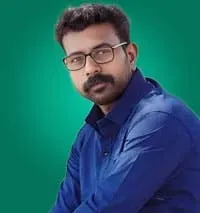
President
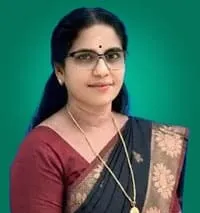
Vice President & Chairman Standing Committee for finance
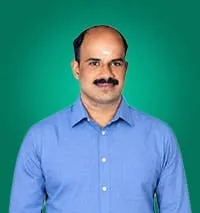
Chairman, Standing Committee for development
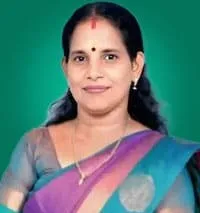
Chairman,Standing Committee for Welfare
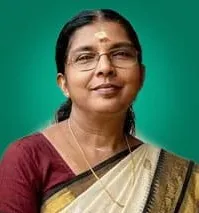
Chairman,Standing Committee for Health and Education
Secretary, Grama Panchayat

Location: Mukundapuram Taluk, Thrissur District, Kerala
Wards: 16
Legislative Assembly Constituency: Irinjalakuda
Lok Sabha Constituency: Thrissur
Villages: Karalam, Manavalassery
Total Population (2011): 24,278
Area: 17.74 sq. km
Block Panchayat Divisions: Kizhuthani, Karalam, Vellani
District Panchayat Division: Kattur Division
District Panchayat: Thrissur

Download Now


Social and Cultural History. Before 1977, Karalam Grama Panchayat was part of the undivided Kattur Panchayat. Even before the national movement began to influence this Panchayat, the activities of the Sree Narayana movement, the Pulaya Mahasabha, and the influence of the Nair Service Society had already initiated social reform activities in the region. The roots of the freedom struggle movement took hold here through students who were studying at schools in areas such as Cherpu and Irinjalakuda during that period. Alongside this, activities against social evils and caste-based discrimination also gained momentum. Khadi spinning centres were established in many households, and reform activities such as Panthibhojanam (community dining across caste boundaries) were actively promoted. Subsequently, the...
Read More